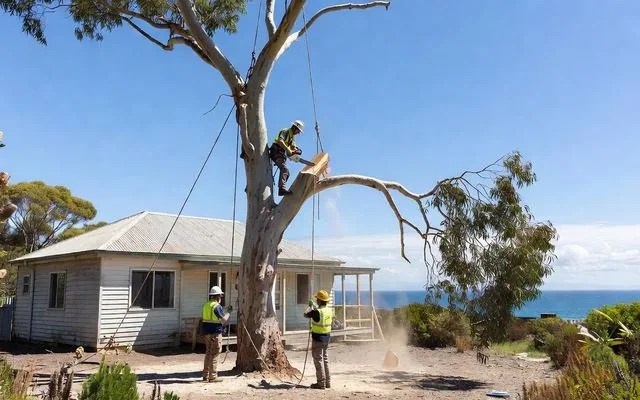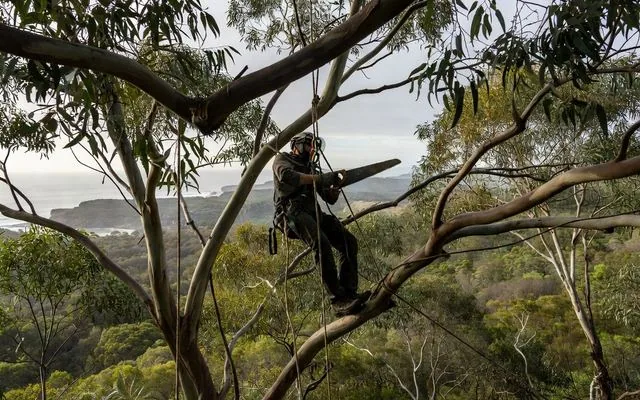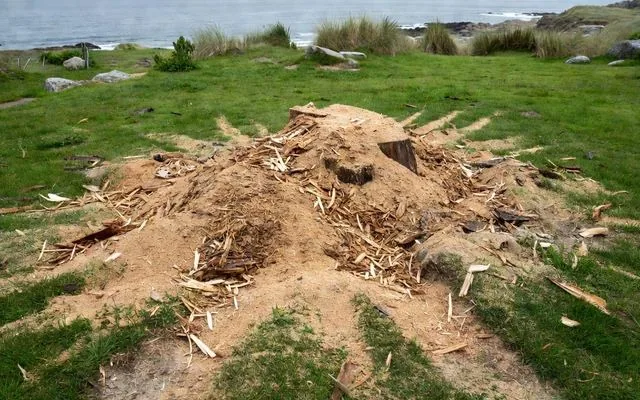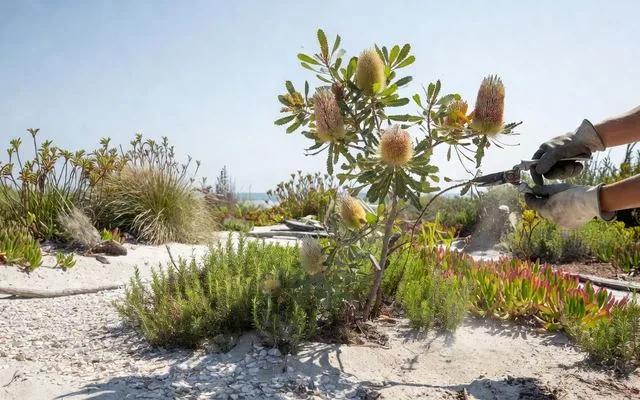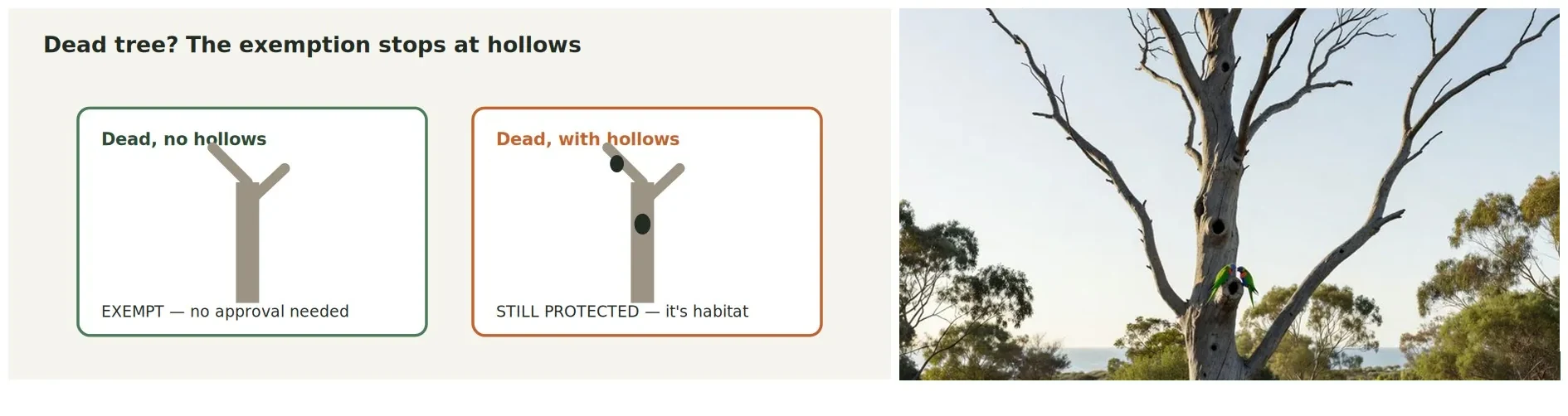
Usually yes. Central Coast Council works the opposite way to a height threshold — trees are protected unless the work fits a listed exemption.
No obligation. Takes 30 seconds.

Central Coast Tree Services connects the Central Coast and the Central Coast property owners with qualified, insured local arborists for council rules and related tree work. Tell us what the tree is doing and we'll match it to an operator who covers your suburb — free quote, no obligation.
Some councils say 'anything over 8 metres needs approval'. Central Coast Council doesn't work that way. Under Chapter 3.5 of the Development Control Plan 2022, tree works need approval unless they fall within one of council's exemptions.
So the useful question isn't 'is my tree big enough to be protected?' It's 'does what I want to do fit an exemption?'
Pruning up to 10% of the tree's foliage in a growing season, carried out to Australian Standard AS4373-2007, and only on branches up to 50mm in diameter. That is a lot less than it sounds — a solid tidy-up of a mature gum will exceed it.
And removing a genuinely dead tree, or taking dead branches out of a living canopy. Council's test for dead is specific: biological function ceased, no leaves, and visible desiccation of the trunk, root plate and canopy.
It does not apply if the tree is habitat for native animals — including hollows in the trunk or limbs. A dead tree with hollows stays protected. This is the single most common way people end up on the wrong side of the rules here.
Threatened species, habitat for threatened fauna, and endangered ecological communities — those need a Biodiversity Conservation Licence from the state, not council consent. Same for heritage items, Aboriginal objects and places, and any tree inside a heritage conservation area, which covers a fair bit of the older coast.
Council expects an AQF3 trade or AQF5 consulting arborist to complete their exempt tree works template, with a map showing the tree's position relative to the dwelling and photos evidencing it was dead or dying and not habitat. Keep it for at least six months. You don't lodge it unless council asks.
You lodge a Private Tree Works Application with council — one application covers up to five trees. There's a pre-application checklist worth reading first, and an AQF5 arborist report is generally expected in support.
A fee applies, set each year in council's Fees and Charges schedule. We're not going to quote you a figure or a turnaround here, because council publishes those and they change — ring 02 4306 7900 or check the current schedule on council's site. Being approximately right about someone else's fee is worse than sending you to the source.
the Central Coast.
Where this job typically sits. Access is usually a bigger cost driver than size.
| Job | Indicative price | What moves it |
|---|---|---|
| Small tree removal (under 10m) | $500 – $1,200 | Ornamentals, young palms and small natives with room to work around them. |
| Medium tree removal (10 – 20m) | $1,200 – $2,800 | The standard suburban job. Access moves this number more than height does. |
| Large tree removal (20m+) | $2,800 – $8,000+ | Mature blackbutt, spotted gum or Norfolk pine, usually dismantled in sections. |
| Palm removal | $250 – $1,200 | Cocos and bangalow palms — no real wood, so cheap unless the crown must come out in pieces. |
| Tree trimming / pruning | $300 – $900 | Clearance off a roof, deadwooding or a crown reduction. Averages around $425 on this coast. |
| Stump grinding | $150 – $500 | Priced on diameter and access. Expect a minimum callout of roughly $180 – $220. |
| Emergency / after-hours callout | $500 – $3,000+ | Storm make-safe. What it costs depends on what the limb is resting on. |
| Arborist report (AQF5) | $400 – $700 | Typically around $450. Required for a Private Tree Works Application and most consents. |
Prices are indicative only. Every tree is different — access, species, what's underneath it and how far the chipper has to walk all move the number. You get a fixed written quote after an on-site assessment.
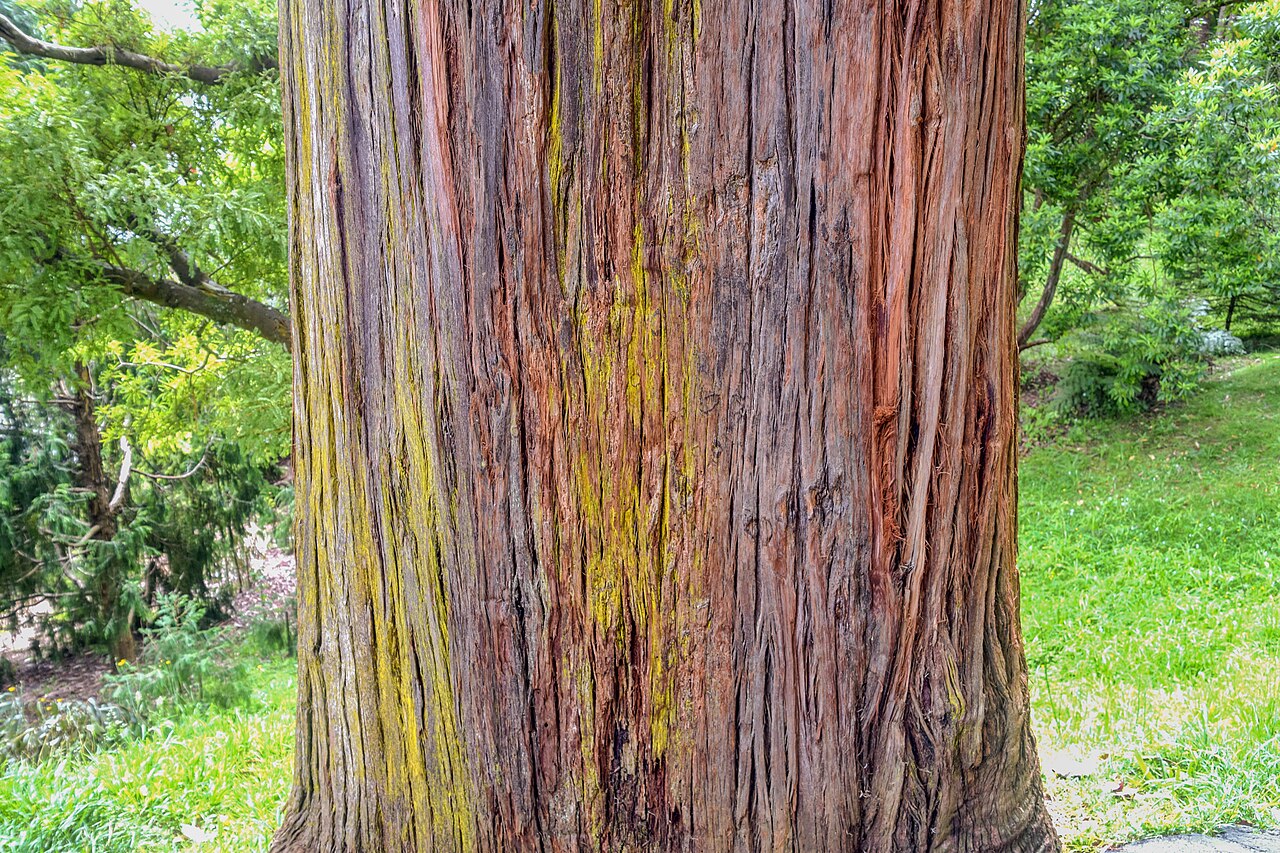
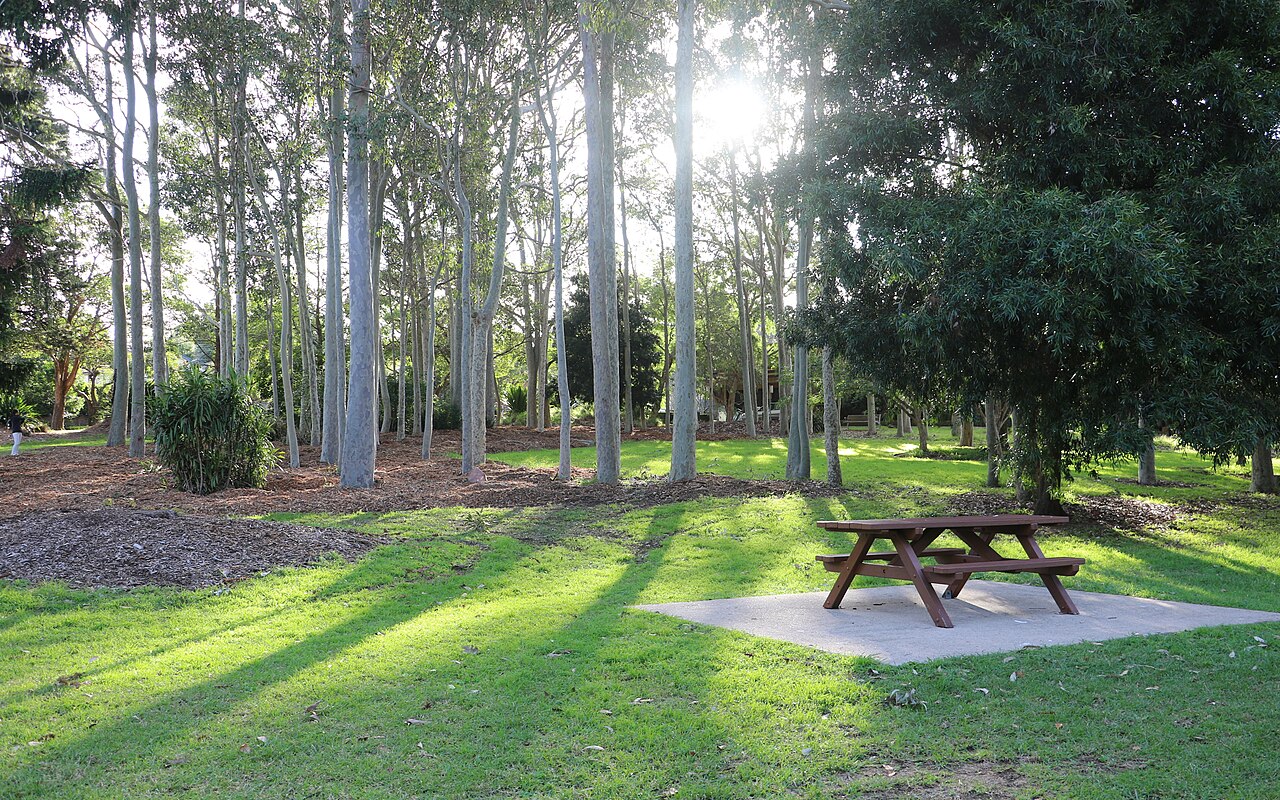
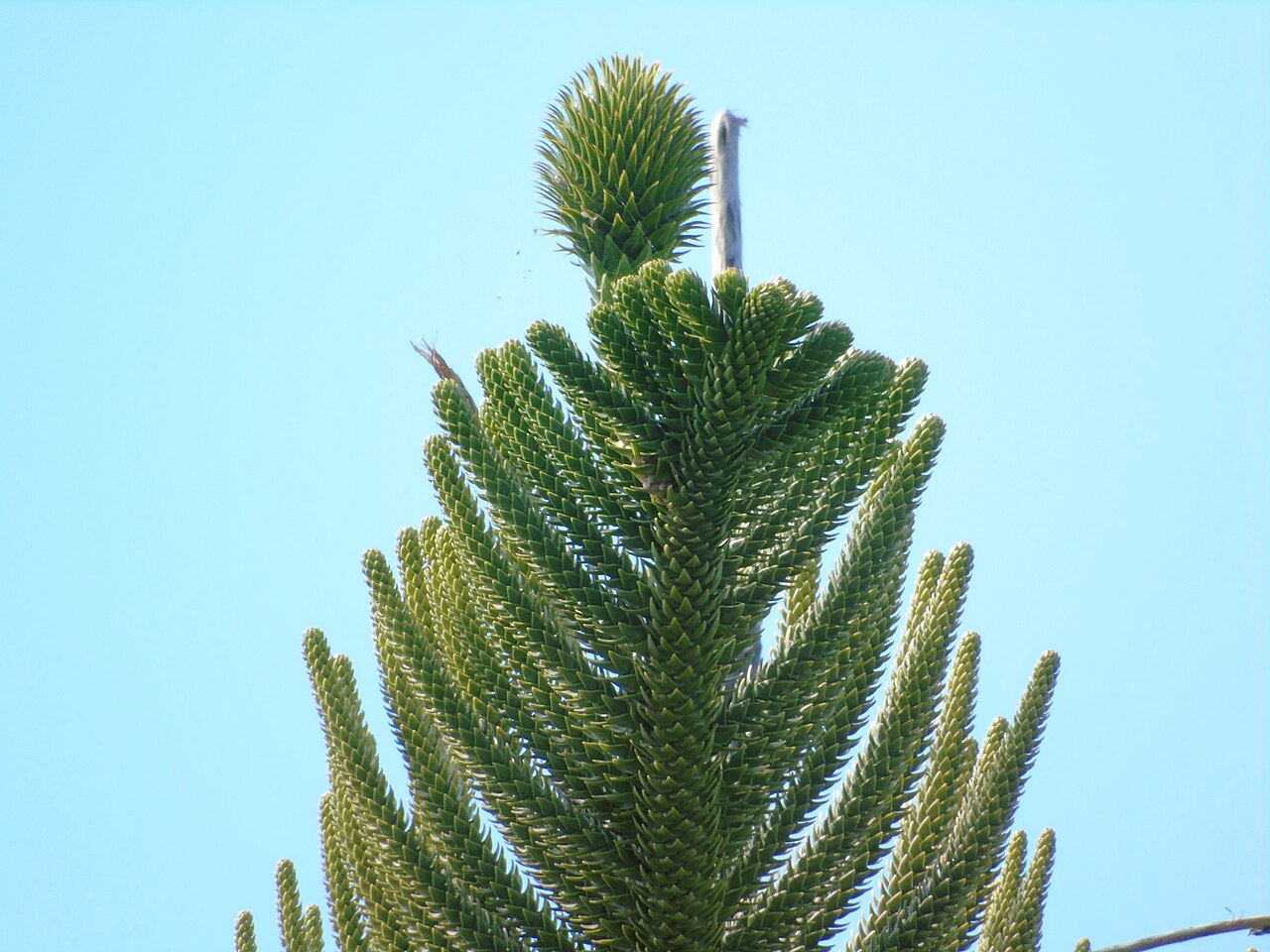
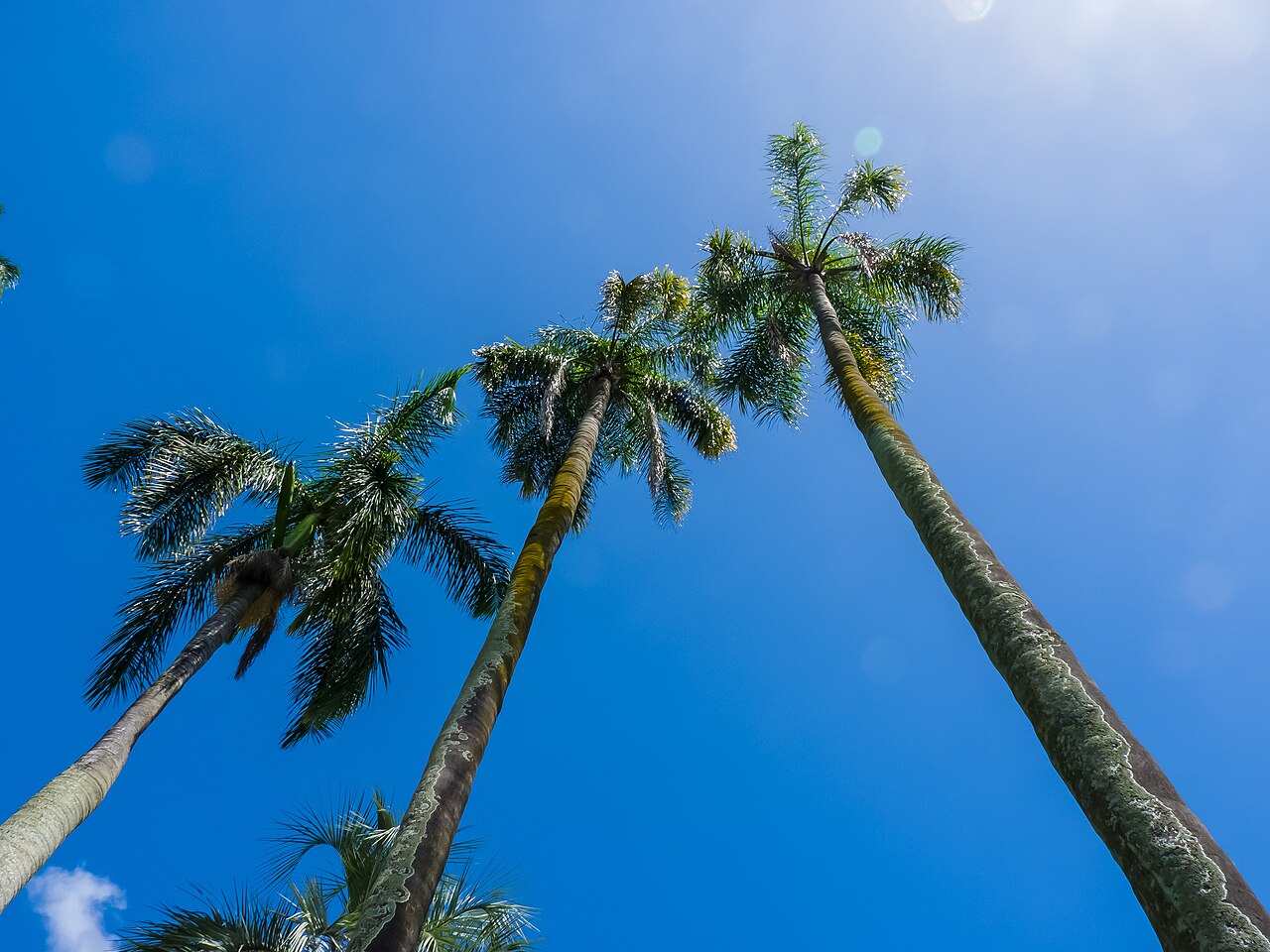
Whether you need a permit turns on the species as much as the height. These are real photographs of the trees that come up most often here — the ones that are protected, and the that council lists as undesirable and you can remove without asking.

Eucalyptus pilularis
The big one on this coast. Straight, tall and often very close to houses in the valley suburbs. Sheds limbs without much warning in heat, and routinely exceeds what a climber alone can safely dismantle.
Photo: Krzysztof Golik, Wikimedia Commons, CC BY-SA 4.0

Corymbia maculata
Smooth dappled trunk, very tall, common through the hinterland and the older hillside suburbs. Hollows form readily in mature specimens — which is exactly what turns a straightforward dead-tree removal into a protected one.
Photo: Poyt448, Peter Woodard, Wikimedia Commons, CC BY-SA 4.0

Araucaria heterophylla
The signature tree of the Central Coast foreshore. Handles salt better than almost anything else, gets enormous, and is frequently protected regardless of being introduced. Never assume an exotic isn't covered.
Photo: Fernando Losada Rodríguez, Wikimedia Commons, CC BY-SA 4.0

Syagrus romanzoffiana
Planted everywhere on the coast for decades and now widely regarded as a pest. Heavy frond drop, enormous seed loads that spread into bushland, and a known hazard to flying foxes. The most commonly removed tree on the Peninsula.
Photo: John Robert McPherson, Wikimedia Commons, CC BY-SA 4.0

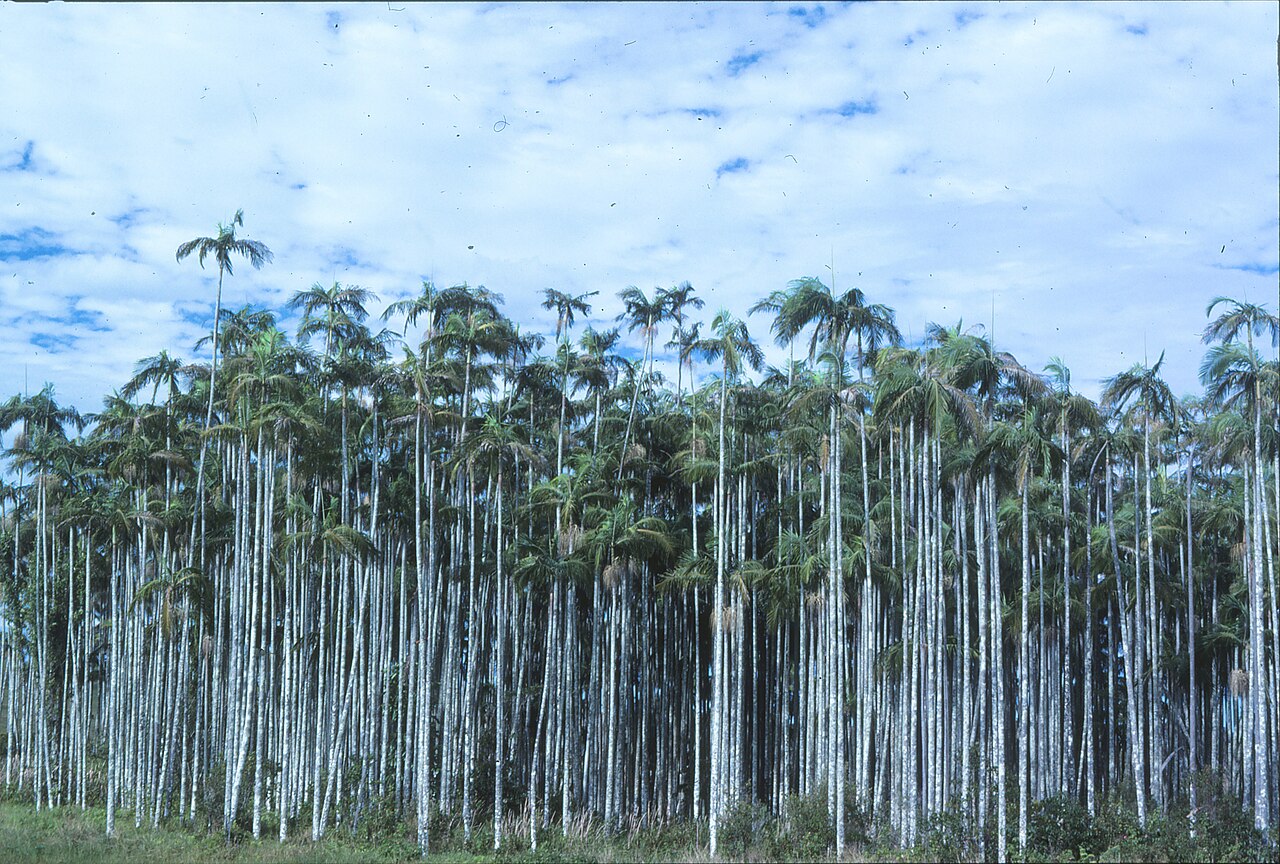
Archontophoenix cunninghamiana
Native, and treated quite differently to cocos despite looking similar to most people. Worth identifying properly before assuming a palm can simply go.
Photo: John Robert McPherson, Wikimedia Commons, CC BY-SA 4.0

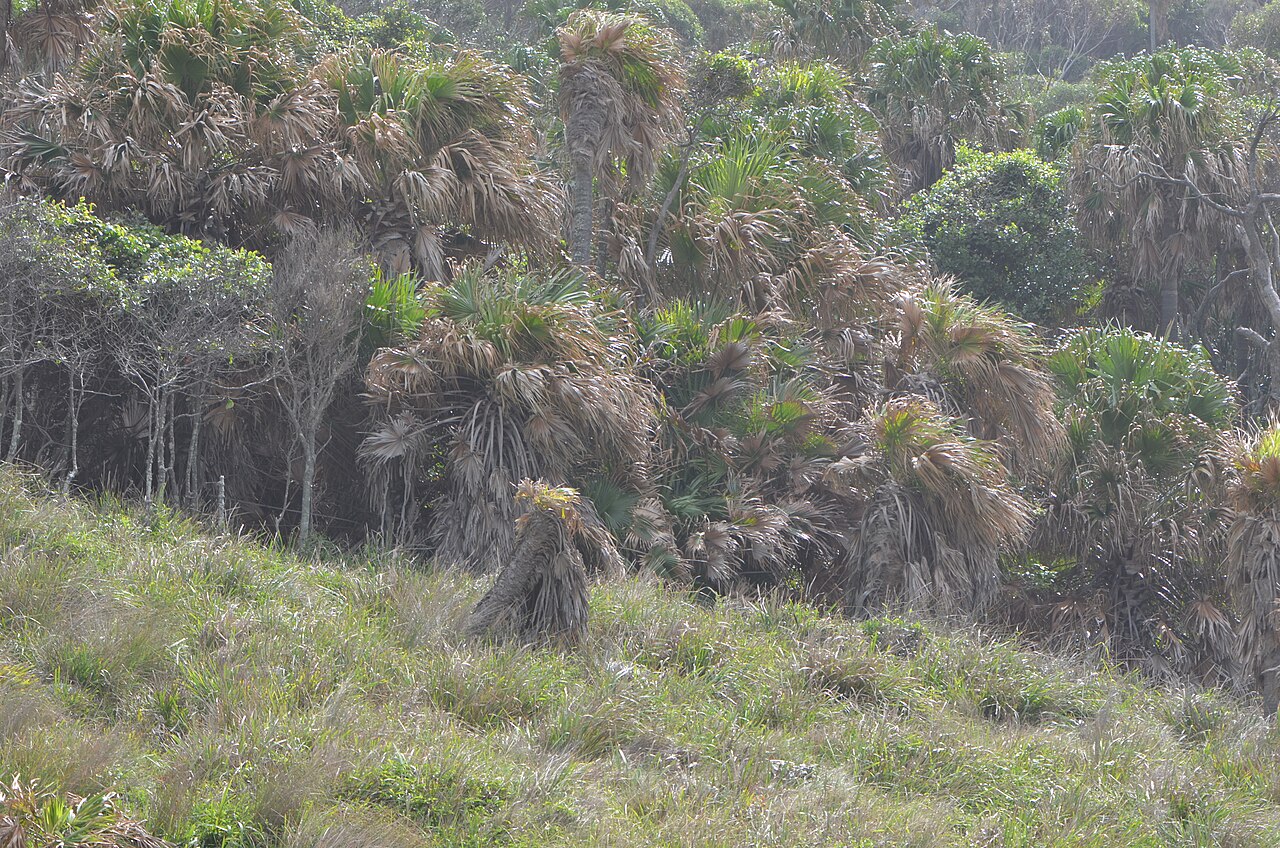
Livistona australis
Native fan palm, common in gullies and moist pockets through the hinterland. Slow growing and long lived, which tends to weigh in favour of retention.
Photo: MargaretRDonald, Wikimedia Commons, CC BY-SA 4.0

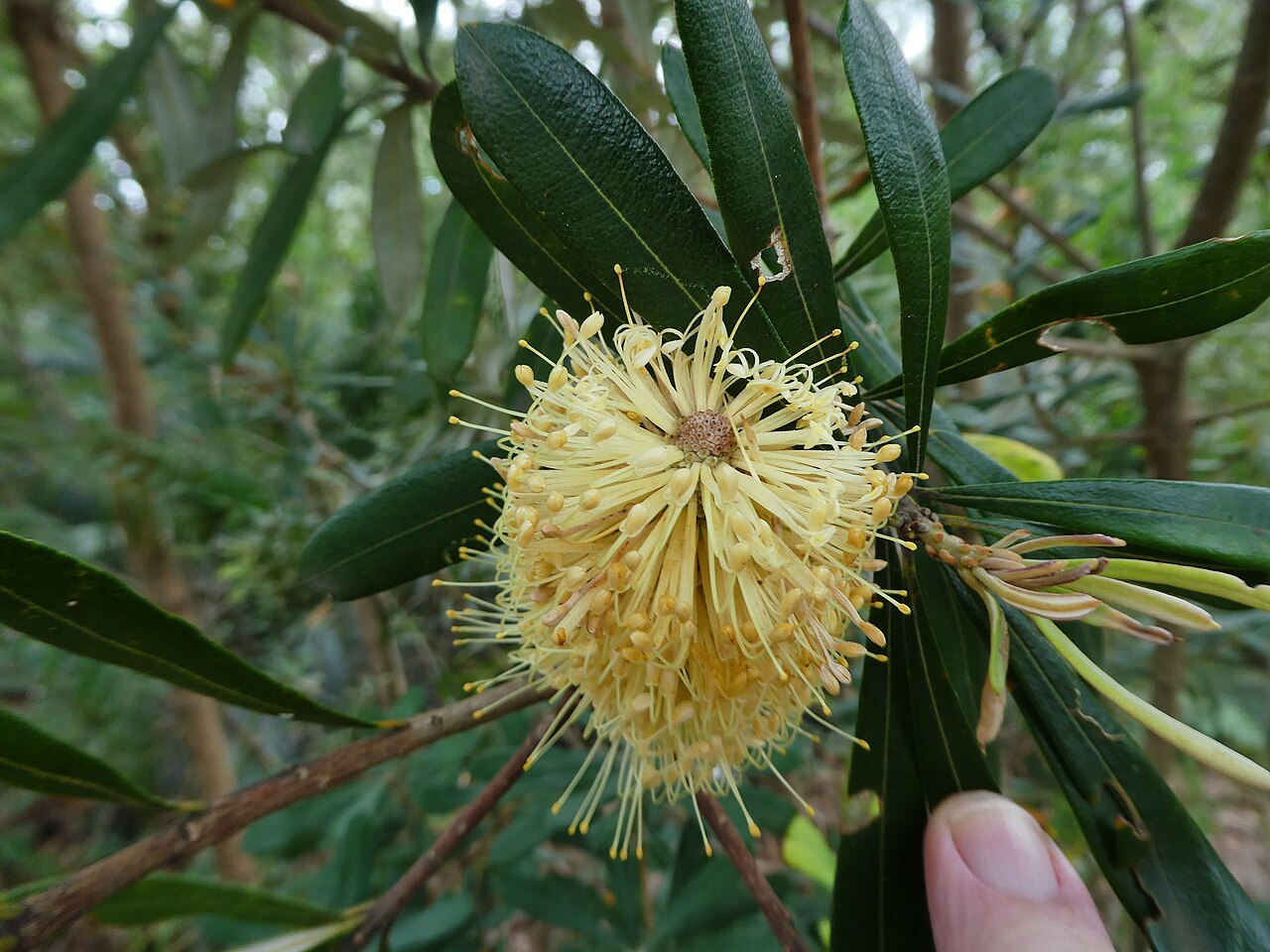
Banksia integrifolia
Evolved for exactly this environment — salt, wind and sand. Gnarled and often leaning, which reads as hazardous to owners but is usually just how it grows. Worth an assessment before removal rather than after.
Photo: Steve Fitzgerald, Wikimedia Commons, CC BY-SA 4.0

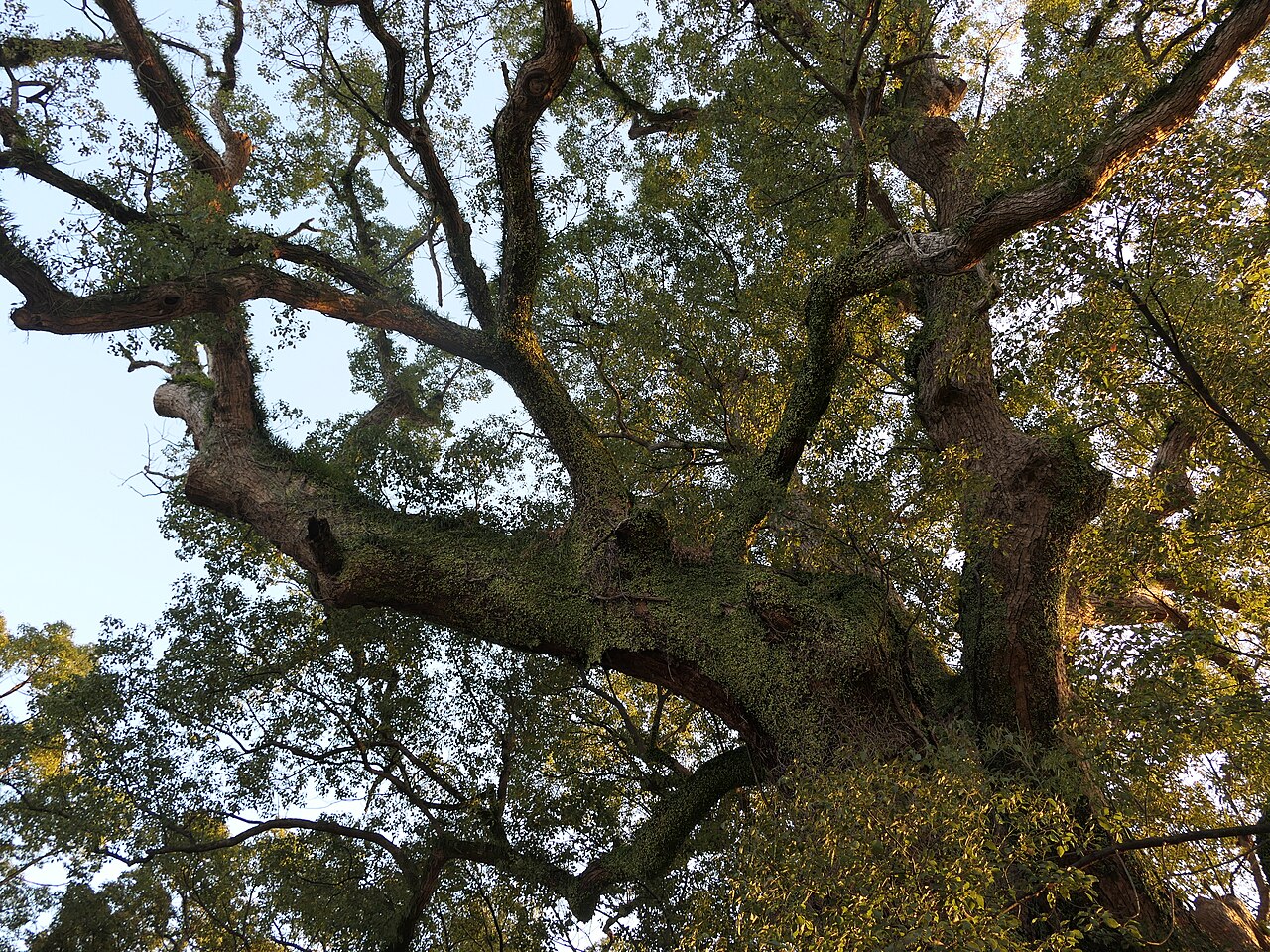
Cinnamomum camphora
A declared weed through much of NSW, common in the older suburbs. Large, shallow, aggressive roots that lift paving and invade drains, and it will keep suckering from residual roots long after the stump is gone.
Photo: Hyppolyte de Saint-Rambert, Wikimedia Commons, CC BY 4.0
Photographs are licensed from Wikimedia Commons and credited individually. They're a guide, not an identification service — if you're not certain what your tree is, an arborist or council can tell you.
Full removal of trees that are dead, dangerous, lifting paving or outgrowing a coastal block.
Cutting back overgrown canopies for clearance and light — done to standard, not just topped.
Qualified AQF3 and AQF5 arborists for assessments, reports and tree work across the coast.
Grinding stumps out below ground so you can turf, pave or replant over the top.
Structural pruning and tree trimming — clearance, deadwooding and shaping, done to AS4373.
Taking the stump and root plate out entirely, rather than grinding it down.
Tell us the suburb, the tree and how urgent it is — we will match it to the right operator.
Call 0485 835 759