Tree service FAQs
What does tree removal cost on the Central Coast?
A small tree under 10m is usually $500 to $1,200. A medium tree of 10 to 20m is $1,200 to $2,800, and that is the standard suburban job. A large tree over 20m runs $2,800 to $8,000 and up. Access changes the price more than height does. A tree a truck can park beside is far cheaper than the same tree behind a house.
Why does access change the price so much?
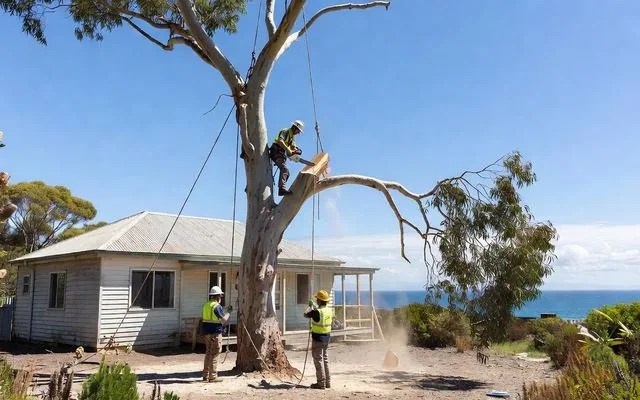
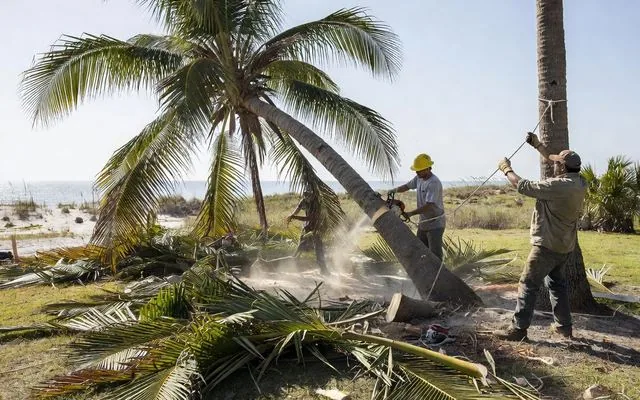
If the crew can drop timber straight into a chipper beside the truck, the job is quick. Now say every piece has to be roped down over a roof, carried through a side gate, and out to the street. The same tree can take three times as long. That is labour, and labour is most of the bill.
Do I need council approval to remove a tree on the Central Coast?
Usually yes. Central Coast Council protects trees unless the job falls inside a listed exemption under Chapter 3.5 of the DCP 2022. That is the opposite of councils that use a simple height limit. The two exemptions that cover most household jobs are light pruning and genuinely dead trees.
My neighbour's tree hangs over my fence. What can I do?
At common law you may prune branches back to the boundary line, and no further. You cannot enter their yard, and council rules still apply to the tree. If the tree is damaging your property, or is a risk to someone, you have another route. The NSW Trees (Disputes Between Neighbours) Act 2006 lets you apply to the Land and Environment Court. The Court expects you to try talking to your neighbour first.
Who pays if a neighbour's tree falls on my house?
It depends on whether the owner knew the tree was dangerous. A healthy tree brought down by a storm is usually treated as an act of nature, and each owner claims on their own insurance. A tree that was visibly dead or that the owner had been warned about is a different matter. A written arborist report is what turns an opinion into evidence.
The tree is dead. Can I just take it out?
A genuinely dead tree is one of the listed exemptions, so usually yes. The catch is proving it was dead. Photograph it before the work starts. If there is any doubt, an arborist report costs $400 to $700 and settles the question before council can ask it.
What is an arborist, and what does AQF Level 5 mean?
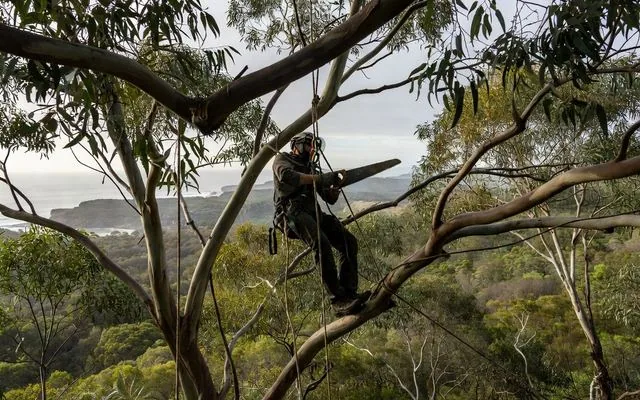
An arborist is trained in tree health and tree safety, not just cutting. The qualification levels run from AQF Level 3, which covers the climbing and cutting work, up to AQF Level 5, which covers assessment and reporting. Council will normally only accept a report from a Level 5 arborist.
How do I know if my tree is dangerous?
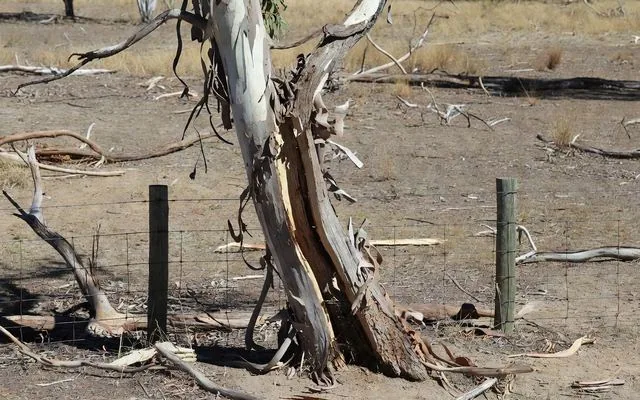
Look for a few specific things. Mushrooms or bracket fungus at the base. A crack or a split in the trunk. Bare branches with no leaves in the growing season. New soil heaving up on one side of the base. A lean that has changed. Any one of those is worth an inspection. Several together is urgent.
Do you take the stump out as well?
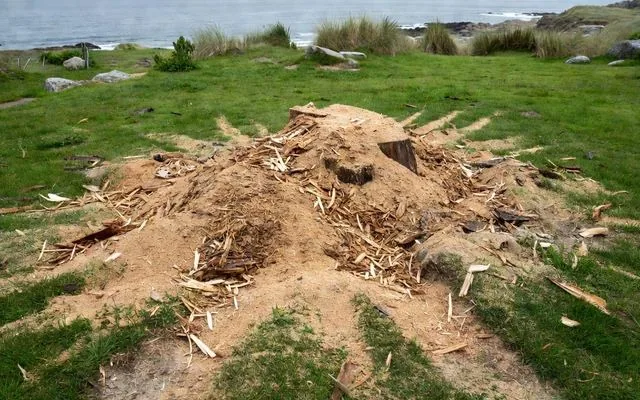
Not automatically. Removal and stump grinding are separate jobs and separate prices. Stump grinding runs $150 to $500 depending on the diameter and the access, with a minimum callout of roughly $180 to $220. Ask for it in the same quote, because bringing a grinder back later costs more than doing it on the day.
What happens to the wood and the branches?
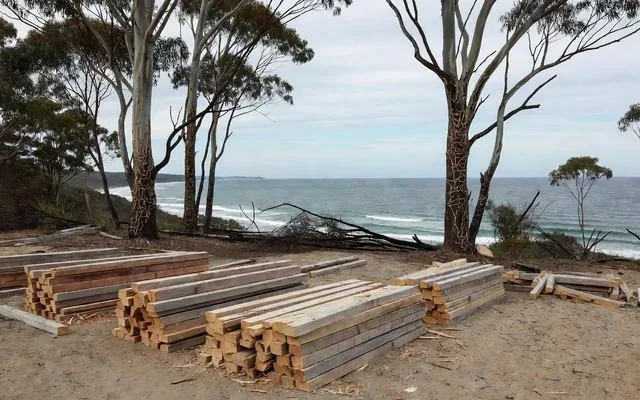
Branches go through a chipper on site. Most companies take the chip away, and many will leave you the mulch if you ask. Trunk wood is usually cut into rounds. Say what you want before the work starts. Firewood left in the yard is a favour, not the default.
How long does the job take?
A small tree with clear access is a morning. A medium suburban tree is most of a day. A large tree that has to come down in sections can take two days or more, and may need a crane. Storm make-safe work is different again, because the point is to make it safe first and tidy it up afterwards.
What about branches near the power lines?
Do not touch them, and do not let an unqualified person touch them. Work near live powerlines needs specific accreditation. Ausgrid maintains the lines from the street to the connection point. From that point to your house it is the property owner's responsibility, and it still needs someone accredited to do it.
When is the best time of year to prune?
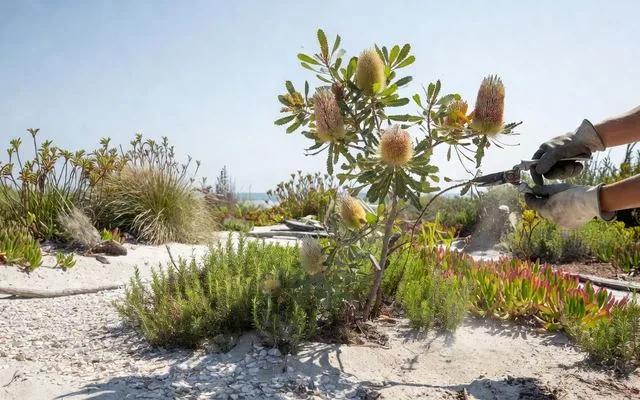
Late winter and early spring suit most trees, because the tree grows back over the warm months. Safety work is the exception. If a limb is over the roof or hanging, it does not wait for a season. On this coast most people book pruning before summer storms, not after.
Will taking the tree out damage my house or my pipes?
Removing a tree does not usually damage anything. It is the stump grinding and the root work that need care near pipes, paving and footings. Say where your services run before the work starts. On reactive clay soils, taking out a large tree can also change how the ground holds water near the footings, which is worth asking about.
Should I check that they are insured?
Yes, and ask to see it rather than take a word for it. Tree work drops heavy things near houses and people. Ask for public liability cover, and ask whether the people climbing are covered as well. A legitimate operator will send it through without being chased.
Can you help after a storm?
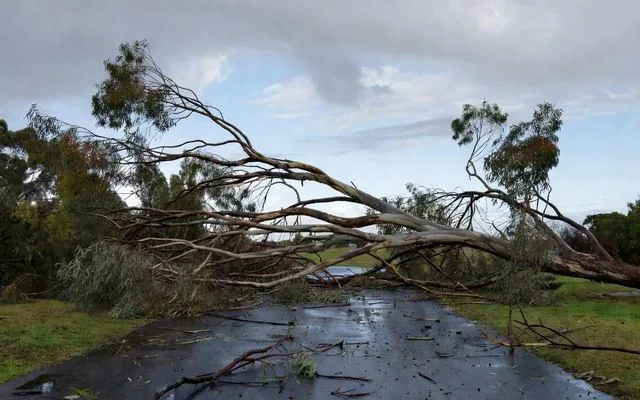
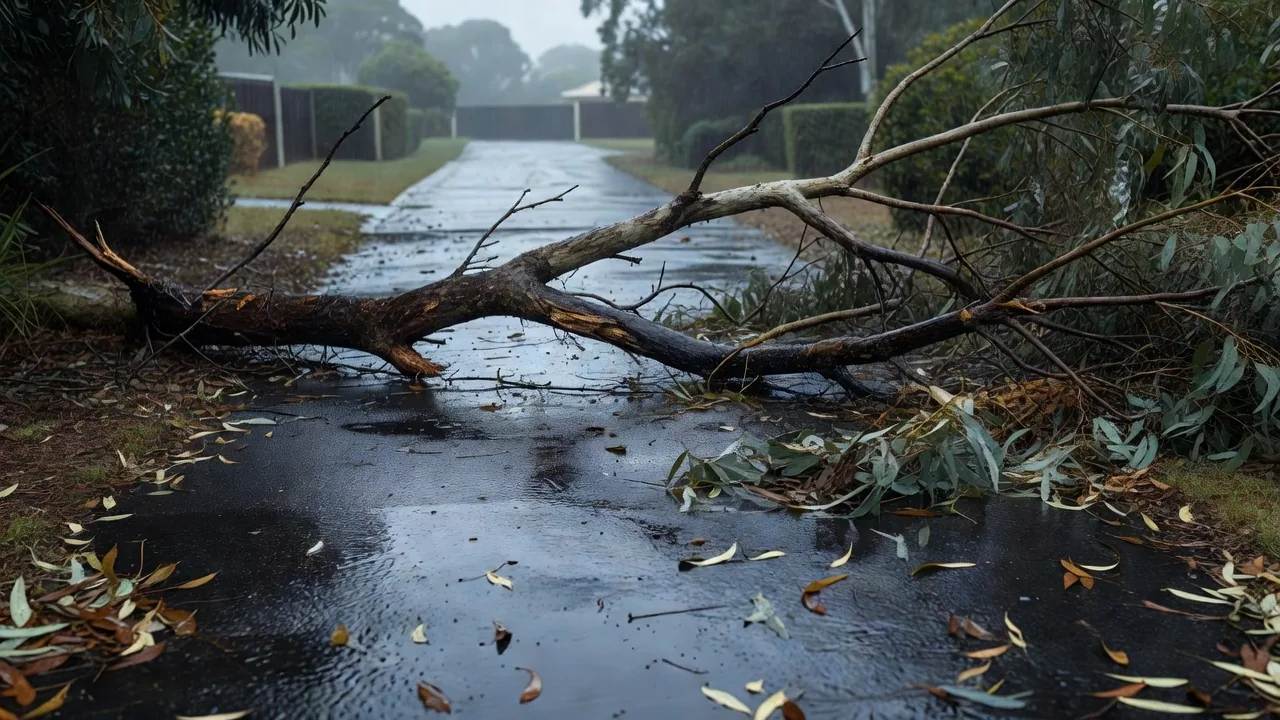
Yes. Storm work is priced differently, because it is make-safe first. Get the weight off the roof or the car. Clear the site properly once it is stable. Emergency and after-hours callouts run $500 to $3,000 and up, depending on what the limb is resting on. If a line is down or the house is unsafe, ring emergency services before you ring anyone else.